
Free to Bleed
Project
Social Impact Design
Category
Digital Design
Brand Visualization
Free to Bleed is a conceptual event designed to confront and dismantle the stigma surrounding period poverty, a public health crisis that affects millions yet remains largely ignored. This project seeks to inform communities, inspire empathy, and promote tangible action.
Period products are not a luxury, they are a necessity. And yet, due to systemic injustices like the pink tax and inflated pricing, many are forced to turn to unsafe alternatives such as toilet paper or cloths to manage their periods.
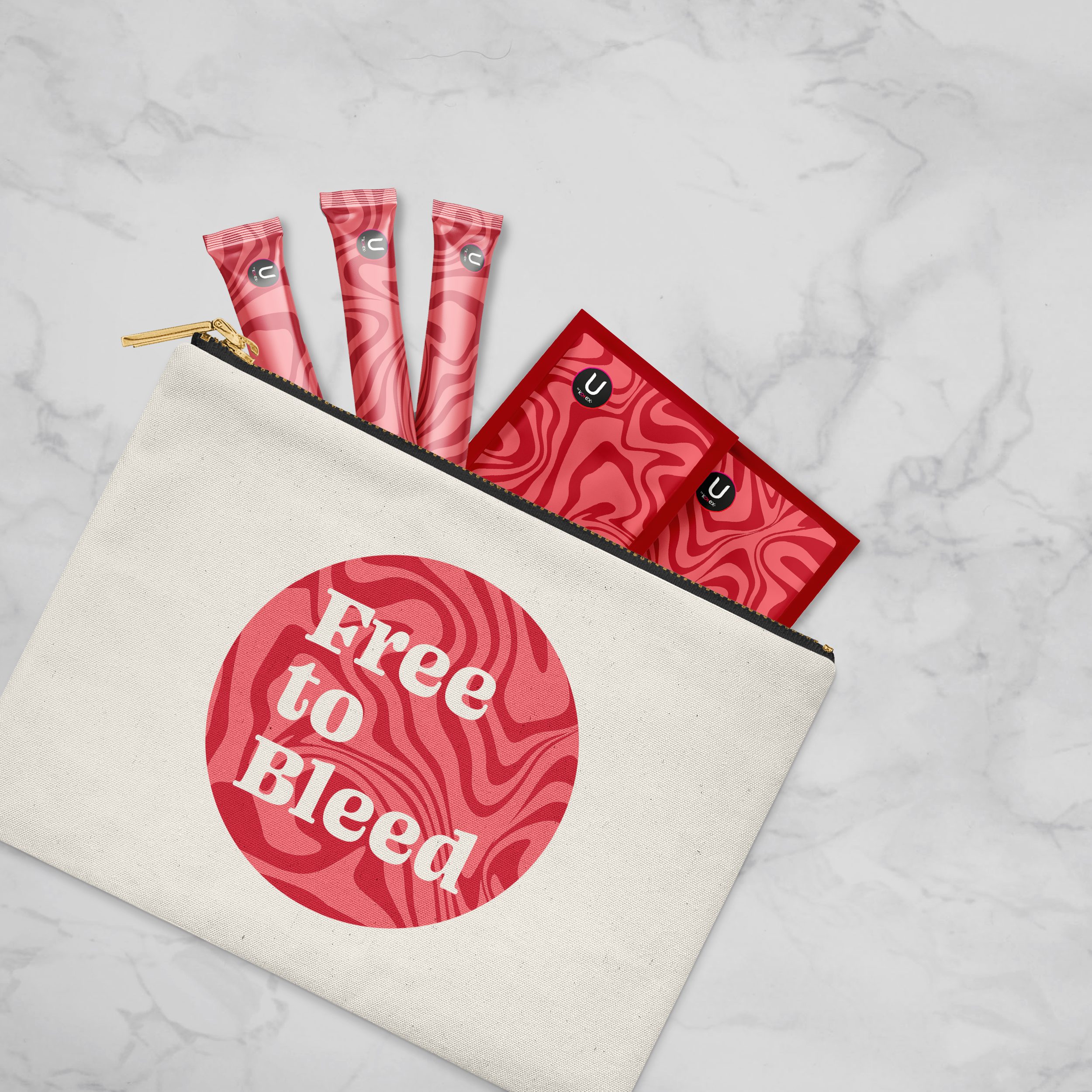
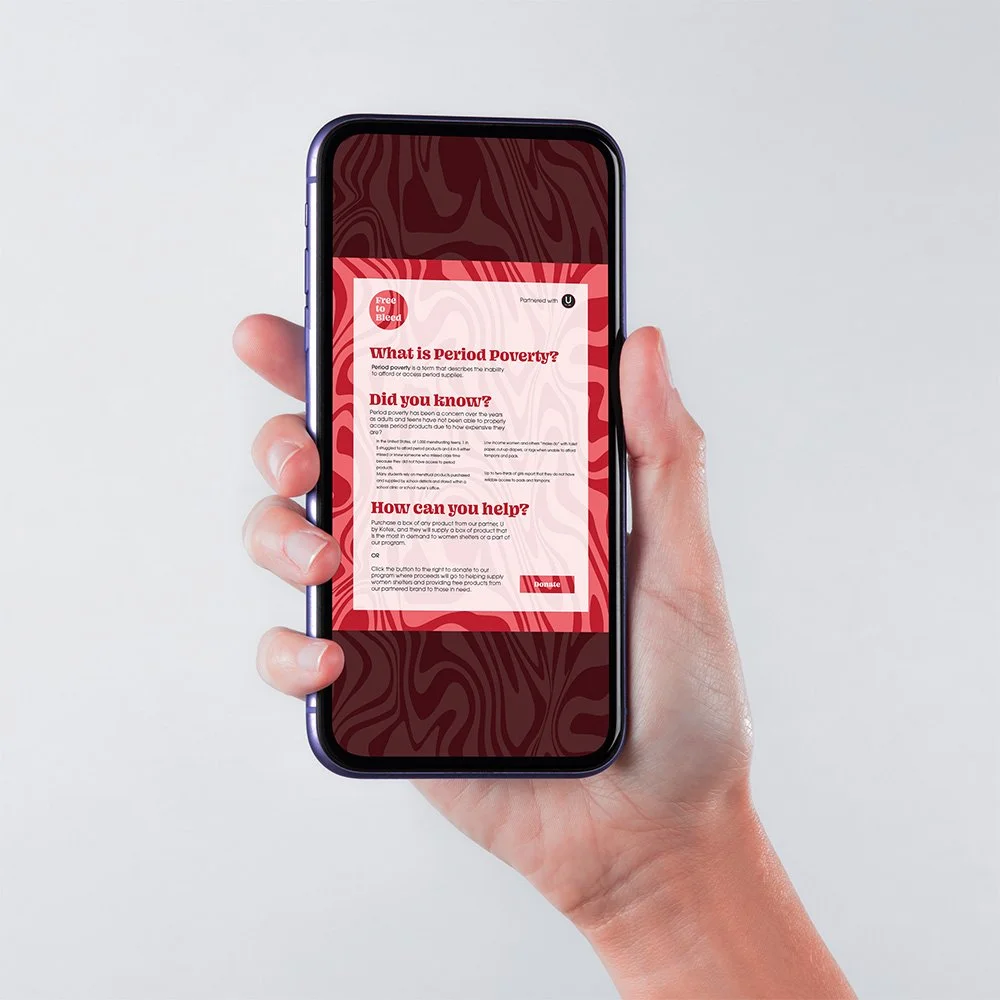
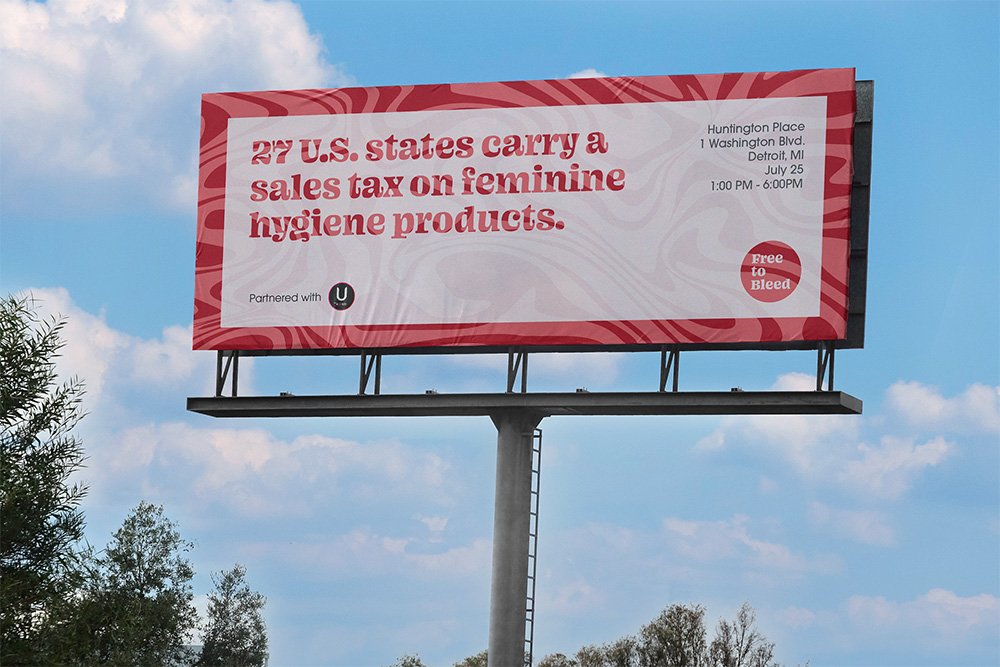
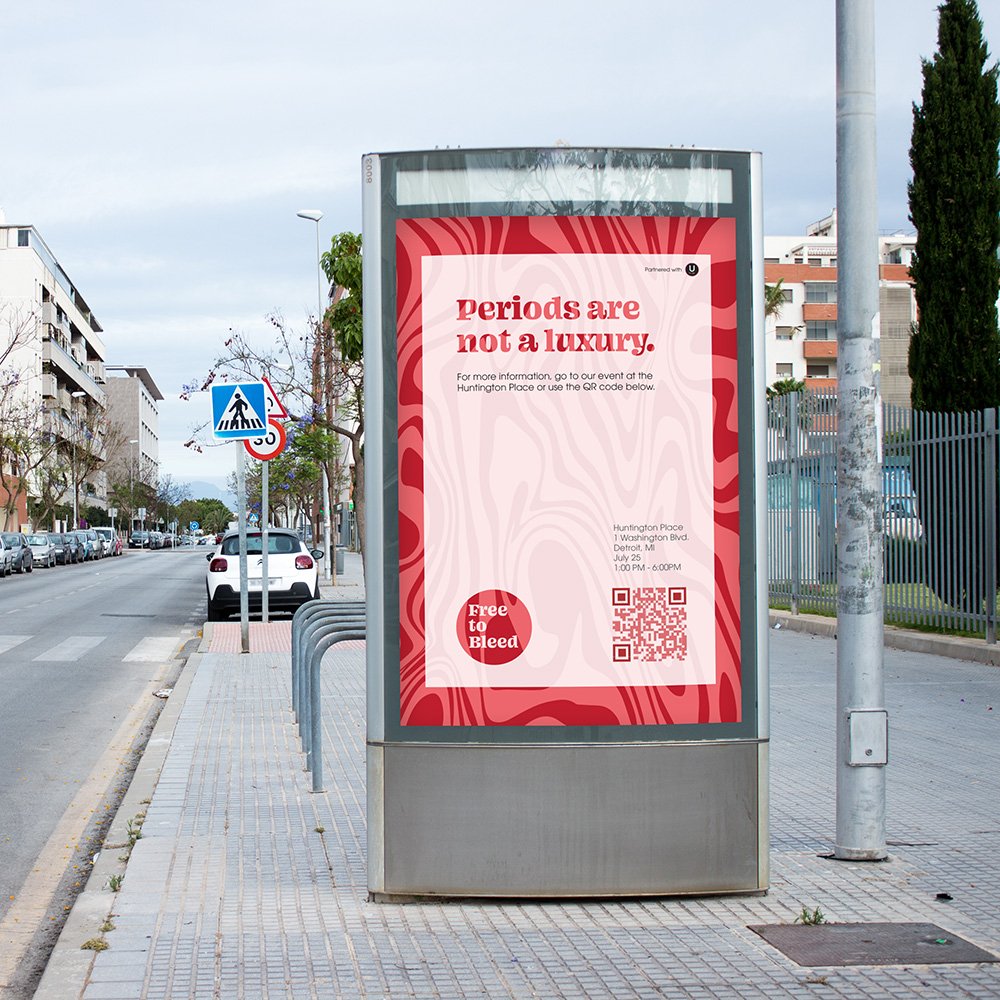
Free to Bleed brings this issue into public space through awareness campaigns, donation opportunities, and direct distribution of period supplies to those in need. In partnership with U by Kotex, the event empowers attendees to help break the cycle of period poverty: for every box donated, one is given to a women’s shelter.
Project Overview
Process
-
Period poverty has been discussed for decades in relation to the gender gap in education, particularly among adults and youth living in low income and middle income communities across the United States. Many individuals do not have consistent access to or the financial means to purchase period products.
In the United States, 1 in 5 menstruating teens has struggled to afford period products, and 4 in 5 have either missed class or know someone who has missed class due to lack of access. In 2023, Detroit, Michigan was considered one of the poorest cities in the country, with approximately 41 percent of residents living below the poverty line.
-
Free to Bleed was developed as a response to the growing issue of period poverty, particularly in communities where financial hardship directly impacts access to essential hygiene products. The campaign focuses on Detroit, Michigan due to its high poverty rate and the urgent need for accessible resources.
The campaign also considers government officials as a key audience, recognizing their authority to implement policy changes that can improve access to period products.
-
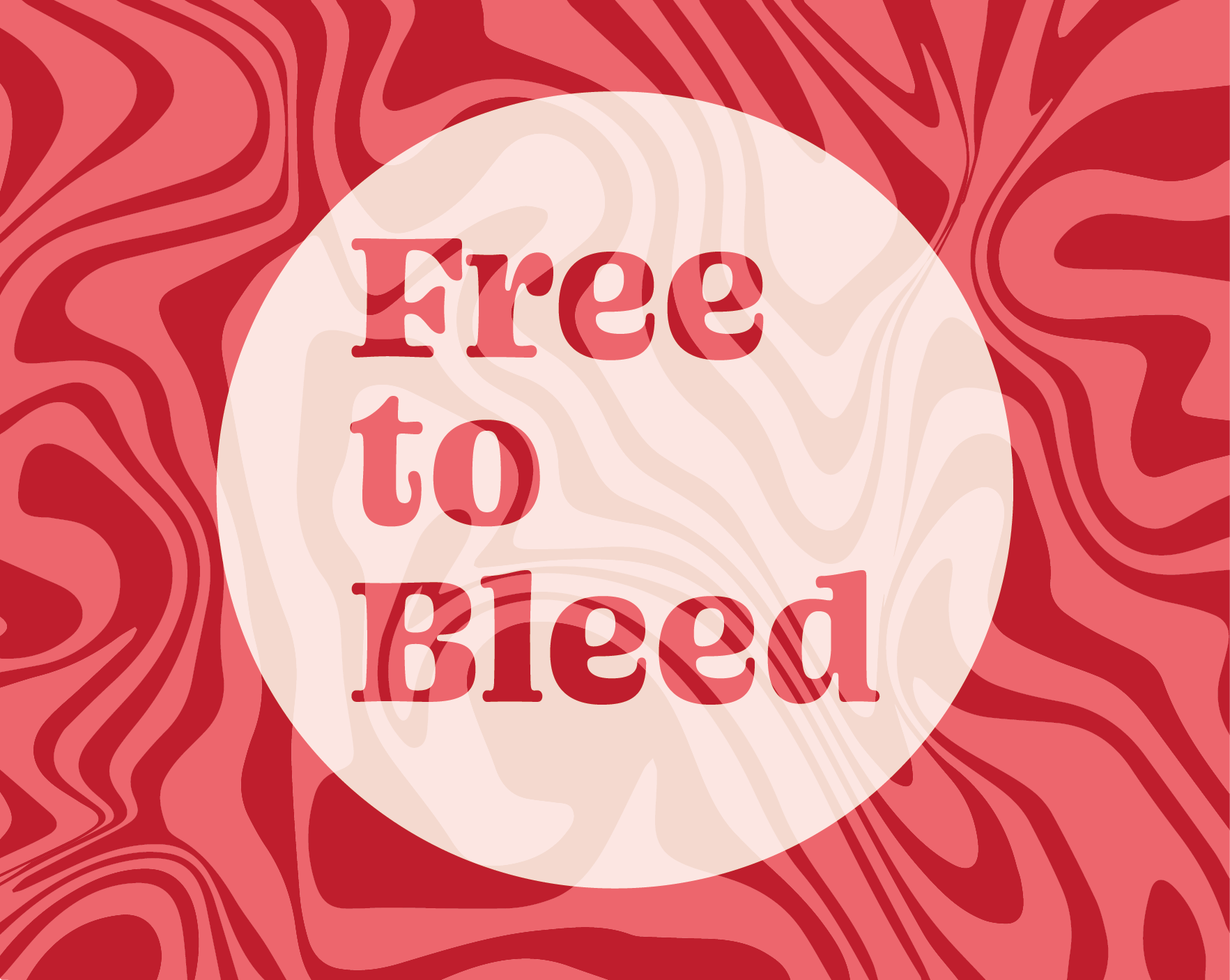
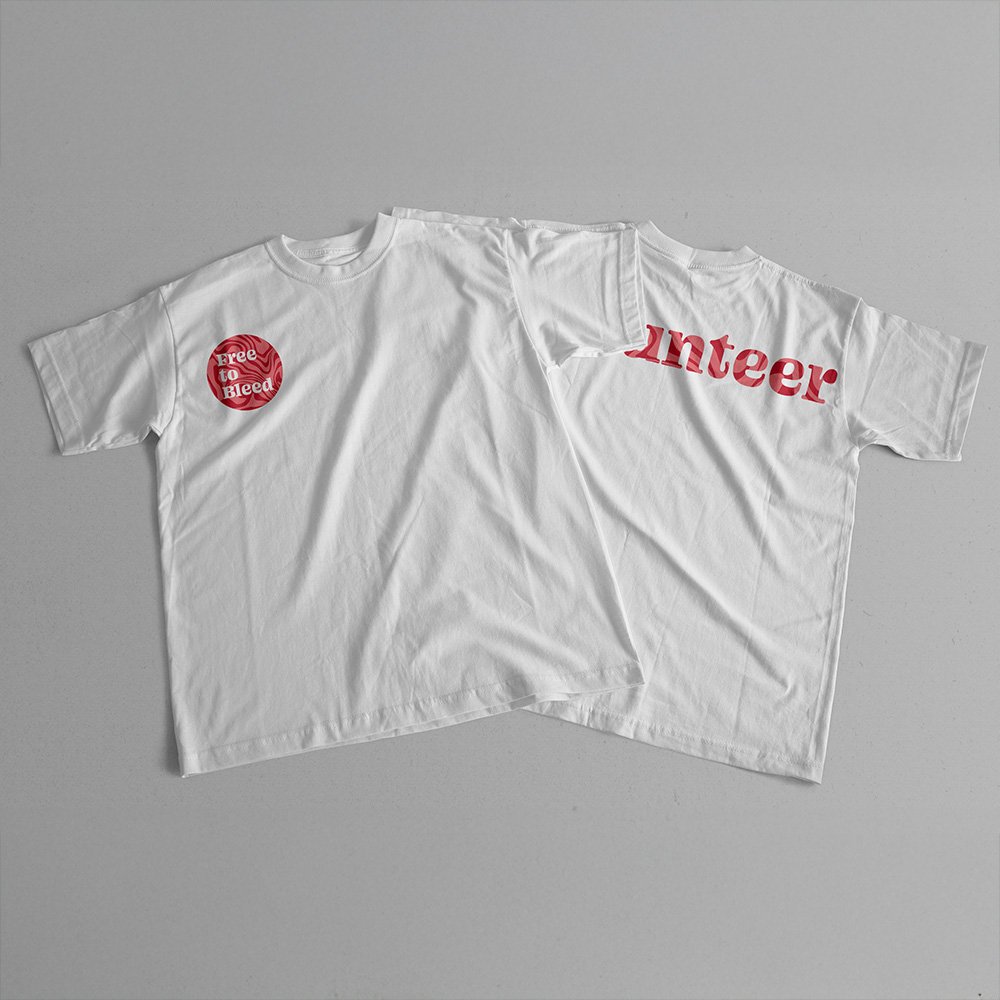
Pink and red were chosen to represent women and menstruation. While these colors are a common motif in this space, they immediately help viewers understand the meaning behind the campaign. The swirling design motif reinforces this message, creating a visual connection to the theme. The logo is enclosed in a circle, offering a subtle representation of a period in a fresh, recognizable format.
-
Free to Bleed highlights period poverty as both a public health and educational equity issue. By targeting communities most affected and addressing policymakers who can create change, the campaign aims to increase awareness, improve access to period products, and reduce the barriers that prevent individuals from fully participating in school and daily life.